Root Canal Treatment
Don't Ignore a Root Canal Infection

We use advanced technology and a gentle touch to get you out of pain fast.

Root Canal Treatment | Dentist

Root Canal Treatment

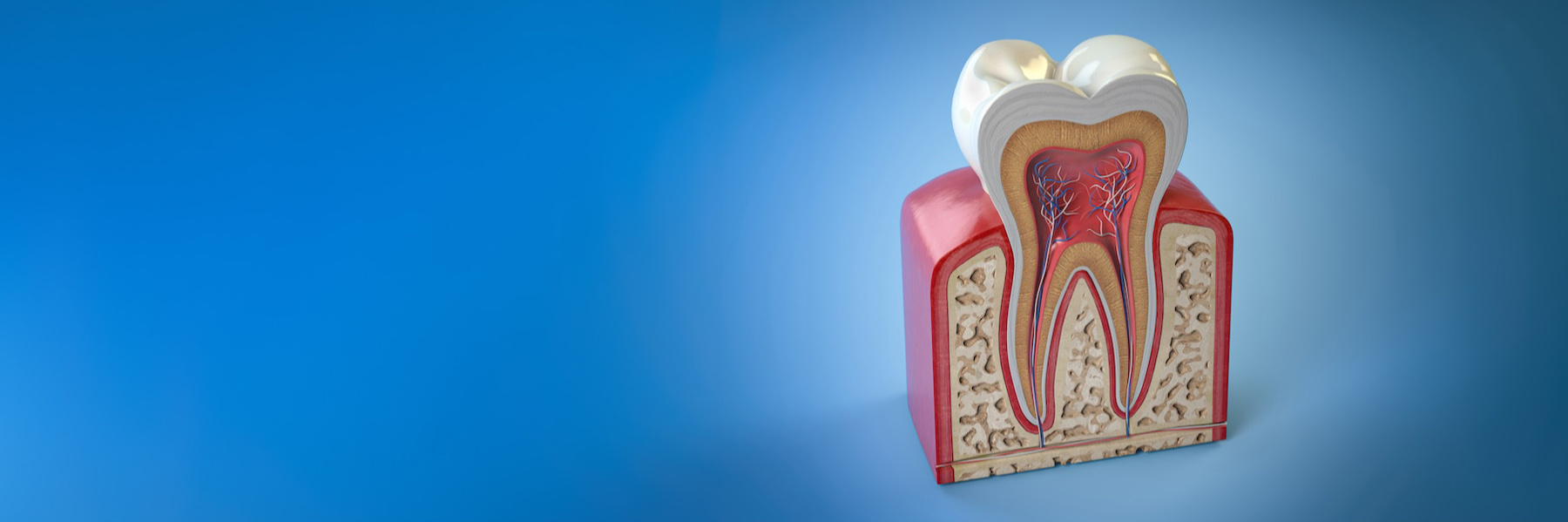
Root canal treatment is a dental procedure that’s needed to remove infected or inflamed pulp from deep inside a tooth. An infection in this area can occur due to advanced decay, a crack, or trauma to the tooth.

What Are Symptoms of an Infected Tooth?

An excruciating toothache is one of the most common symptoms of a root canal infection and what drives many patients to schedule an appointment for emergency treatment. Other serious, but less obvious symptoms include:

  • Gum swelling around the affected tooth
  • A pimple-like, whitish bump on the gums
  • A foul smell or taste in the mouth
  • Tooth darkening or discoloration
  • Extreme sensitivity to hot or cold, even after the stimulus is removed
  • Sharp pain when biting down or touching the tooth

It's important to know that a root infection can develop without symptoms, which is why routine dental checkups are so crucial.

Why You Shouldn't Postpone Root Canal Treatment

If you notice any of the symptoms of a root canal infection, it’s crucial to call for an appointment as soon as possible. Modern treatment is more efficient and comfortable than ever, and prompt treatment delivers many benefits:
Relieves the Pain
A root infection won’t heal itself. Even if the pain subsides briefly, it will return, continuing to damage the tooth and leading to worsening pain.
Prevents Tooth Loss
The only alternative to root canal treatment is tooth extraction, which leads to the need for tooth replacement and more complex treatment.
Stops Infection Spread
A pulp infection only stays localized for so long until it begins to travel to other parts of the body, potentially leading to life-threatening situations.

Frequently Asked Questions

A crown protects your tooth after root canal treatment. During a root canal, the infected pulp is removed from inside the tooth. While this process saves the tooth, it does leave it structurally weaker.

What Happens to a Tooth After a Root Canal 

When the pulp is removed, the tooth loses its internal blood supply. Over time, this can make the tooth more brittle and prone to cracking. The tooth also typically has significant decay or damage that required the root canal in the first place, meaning there is less natural tooth structure left to support everyday chewing forces.

Why a Filling Alone May Not Be Enough

A filling restores the opening made during the root canal, but it does not reinforce the tooth. Back teeth especially absorb a lot of pressure when you chew. Without a crown, a root canal-treated molar or premolar is at higher risk of cracking or breaking, which could mean losing the tooth entirely.

When You Might Not Need a Crown

In some cases, front teeth with minimal damage may not require a crown after a root canal. Because front teeth experience less chewing force, a filling may be sufficient. Dr. Hudzinski will evaluate your specific situation and recommend the best approach to protect your tooth in the long term.

Have questions about root canals or crowns? Call our Mayfield Heights, OH, office at (440) 585-4200. We welcome patients from Gates Mills, Chesterland, Hunting Valley, Kirtland, and beyond.

What Does Root Canal Treatment Involve?

At Hudzinski Dental, we understand that many people get nervous about root canal treatment, but our dedicated team is here to support you every step of the way. 

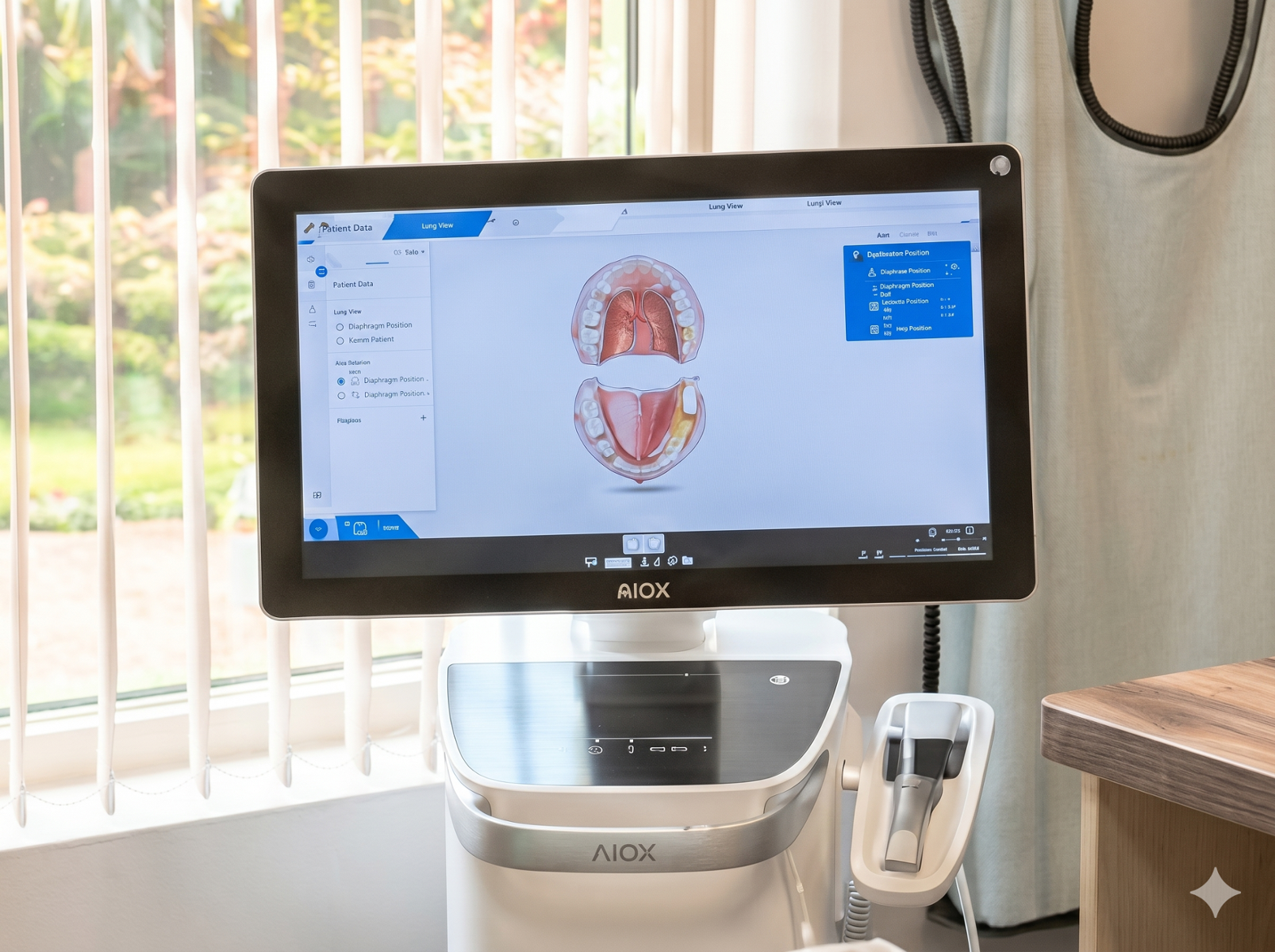
  • Examination: Advanced imaging technology allows our dentist to detect the location and extent of infection we can plan treatment accordingly.
  • Local Anesthesia: We thoroughly numb the tooth using powerful anesthetics to ensure that you won’t feel any pain during the procedure.
  • Removing Infected Pulp: Our rotary endodontic technology replaces the need for manual files, making the process of removing the infected tissue more efficient and significantly more comfortable.
  • Disinfecting the Canals: Once we’ve removed the infected pulp, we thoroughly disinfect the canals to remove all traces of bacteria.
  • Filling and Sealing the Tooth: We fill the hollowed-out canals with a biocompatible material called gutta-percha to help prevent reinfection. We then seal the tooth and place a temporary filling.
  • Final Restoration: In about two weeks, you will return to have the final filling or dental crown placed on the tooth.

  • Dr. Matthew Hudzinski DMD

    Dr. Matthew Hudzinski brought his vision for patient-centered care to the practice in 2024, taking the reins from Dr. Fryer and building on the culture of excellence he inherited.

    Dr. Hudzinski earned a Bachelor of Science ...

    View More
  • Dr. Kevin Fryer

    Dr. Kevin Fryer's connection to Hudzinski Dental runs deep; he founded the practice in 1992 and spent more than three decades building it into the patient-centered home it is today. Though he transitioned ownership to ...

    View More

Does Root Canal Treatment Hurt?

Thanks to precise planning using advanced technology, root canal treatment is not painful. The reason people associate the procedure with discomfort is likely the pain of the infection they feel beforehand. When we remove the infected tooth pulp, we also eliminate the source of your pain.

After your procedure, you can expect to feel some lingering soreness for a day or two, but over-the-counter pain relievers like ibuprofen are typically all that’s needed for relief.

Do You Think You Need an Emergency Root Canal?    

If you experience any of the symptoms described above, we want to help you get the important treatment you need. Please call Dr. Matthew Hudzinski's dental office in Mayfield Heights at (440) 585-4200 to speak to one of our trained team members. They will take your information, guide you on the next steps, and help you book an emergency appointment to get you out of pain and on the road to feeling better.

Root Canal Treatment Technology

Intraoral Cameras + Digital Photography

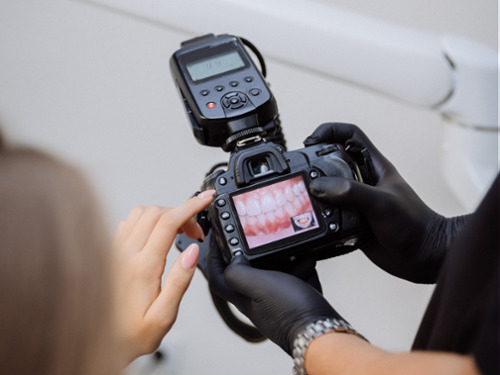
An intraoral camera is a small, pen-sized device that takes close-up images inside your mouth. We use it to show you exactly what we see, including cracks, worn enamel, early decay, or areas of concern that are hard to describe in words. Seeing the problem yourself makes it easier to understand your treatment options and feel confident in the decisions you make. As part of our routine care, we take digital photographs of all patients, from individual teeth to show patients’ problem areas to full-arch photos, quadrants, etc. We also take smile shots for reference for Invisalign and smile design cases.